
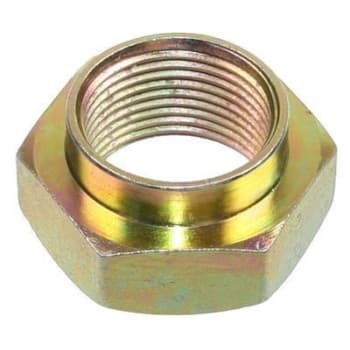
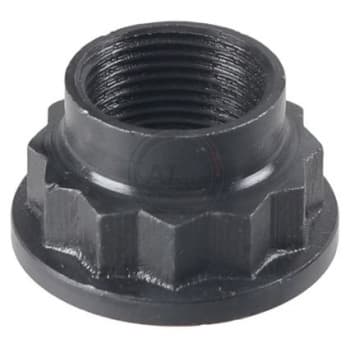
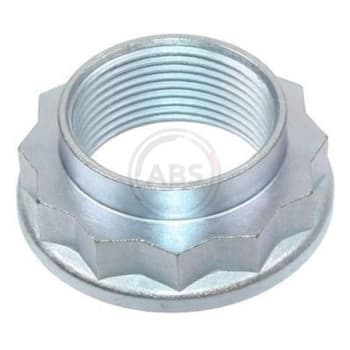
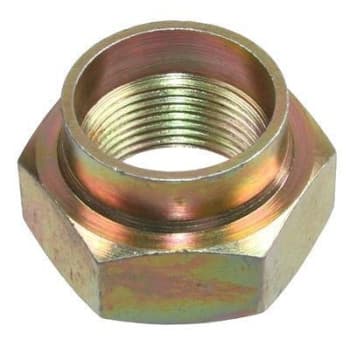
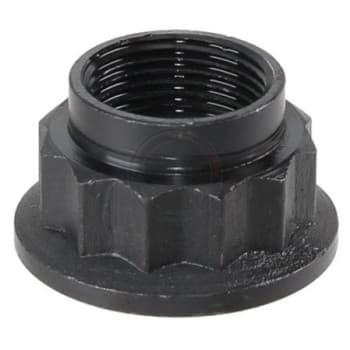
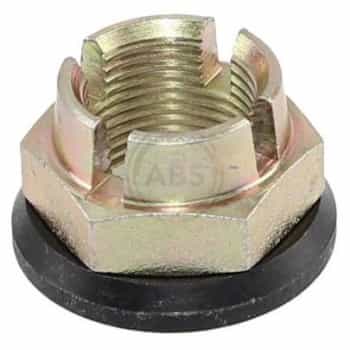
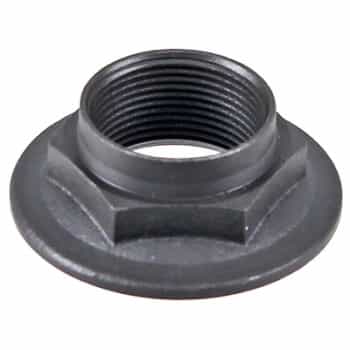
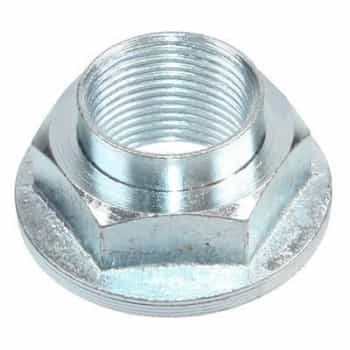
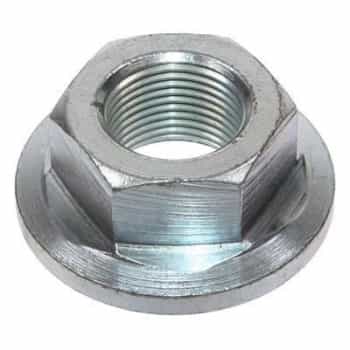
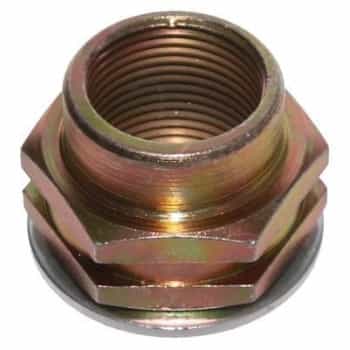
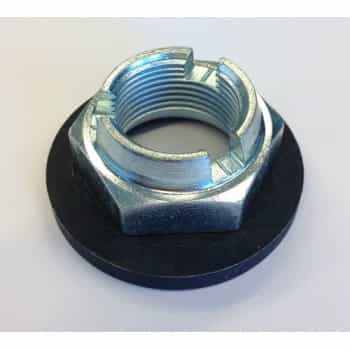
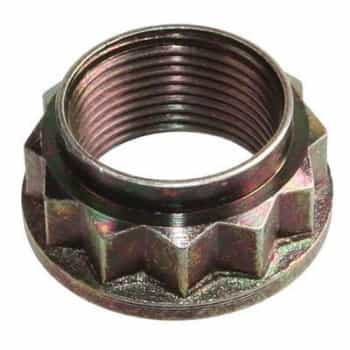
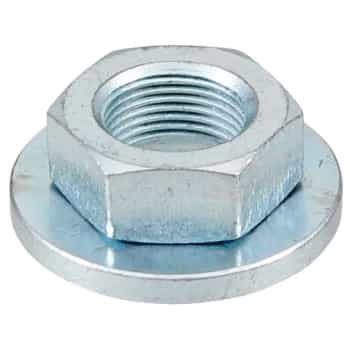

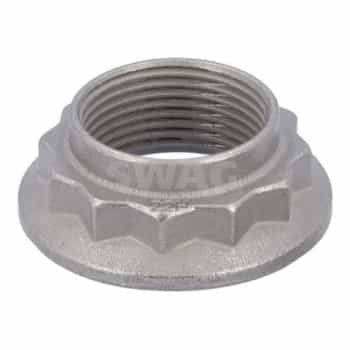
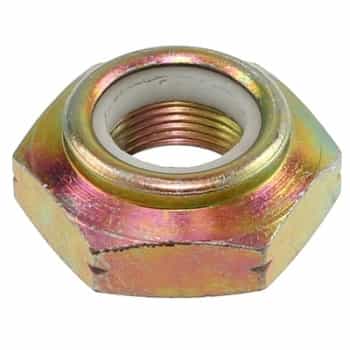
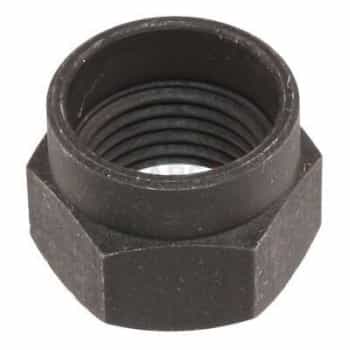

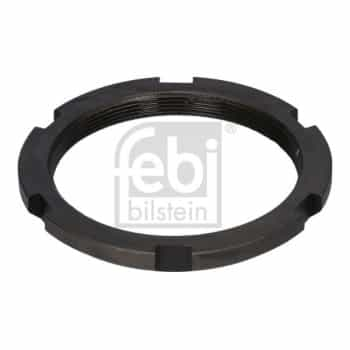

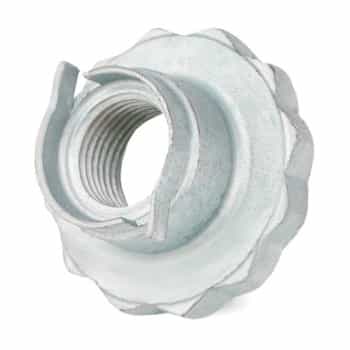
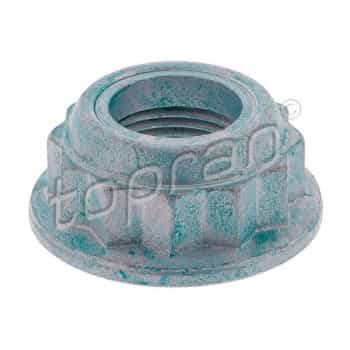
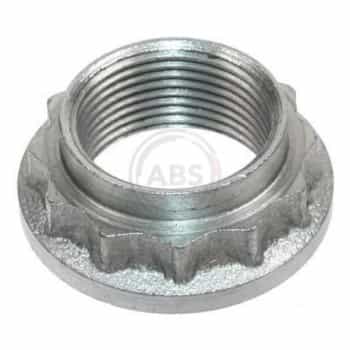
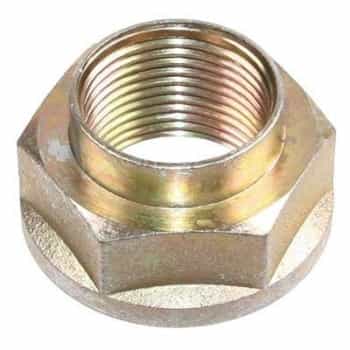
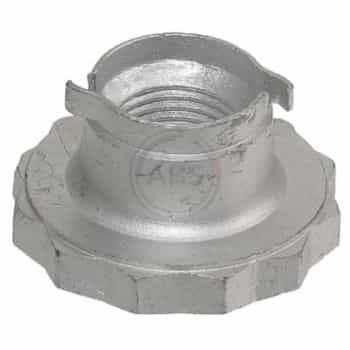
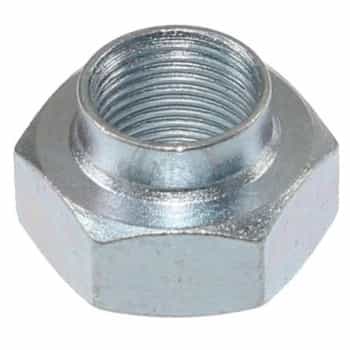
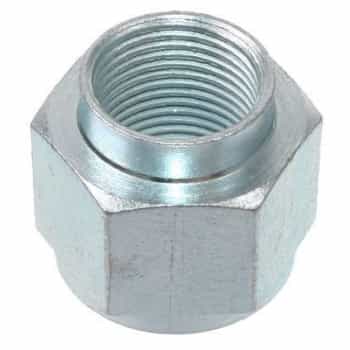
The wheel hub nut ensures that the wheel hub is securely tightened onto the driveshaft. The wheel hub transfers the motion of the driveshaft to the wheel. This nut is also known as the axle nut. Each wheel has a hub with an axle nut. Have you loosened the wheel hub nut to work on your car? During a repair of the brake system or drivetrain, you?ll need to remove the wheel and its components, including the axle nut, which must be replaced. Once the nut has been loosened, it can no longer be guaranteed to lock securely.
Replacing the wheel hub nut
You must replace the wheel hub nut with a new one after it has been loosened. It?s important that the nut is firmly secured. Otherwise, it may loosen due to vibration while driving, causing the wheel to fall off the car. To avoid this, always use a new nut. A previously loosened wheel hub nut that has been retightened cannot ensure a secure lock.
The wheel hub nut can also wear out. Dirt, rainwater, and road salt can cause corrosion. Corrosion leads to cracks and breaks, and improper tightening of the nut can also cause wear. The wheel hub nut is under significant pressure. Regularly inspect this component to detect early signs of wear and damage. If necessary, replace the axle nut in time.
Wheel hub nut torque
The torque for the wheel hub nut is very important. The nut must be securely tightened to prevent it from loosening during driving. Always use a new nut to ensure a proper lock. The torque for a wheel hub nut ranges from 200 Nm to 350 Nm. This requires a lot of force, but it?s necessary for a solid connection. To tighten the nut, use a torque wrench. You can find the exact torque specifications for your car in the workshop manual.
Buying a wheel hub nut
You can quickly and easily buy a wheel hub nut at Winparts. By entering your registration number or car details on the website, the correct car parts will be displayed for you. We offer a wide range of axle nuts from various top brands. In addition to nuts, you?ll also find other drivetrain components such as CV boots, CV joints, propshafts and accessories, transmission stands, and gear rods and cables.