


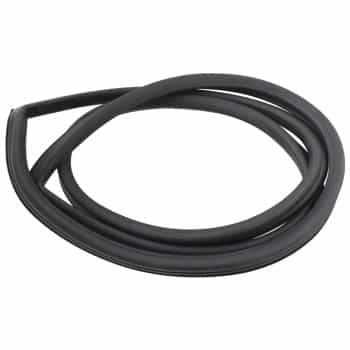


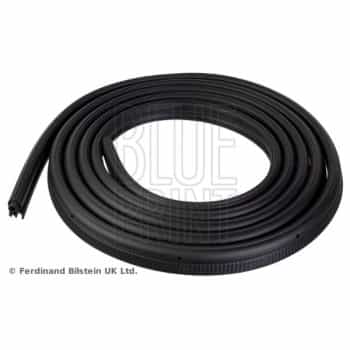

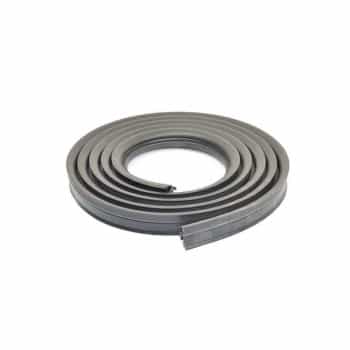


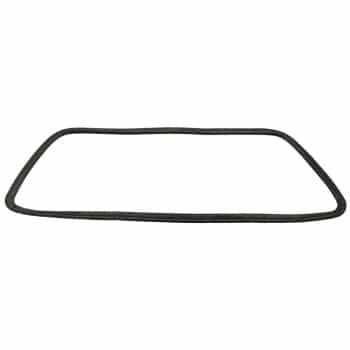
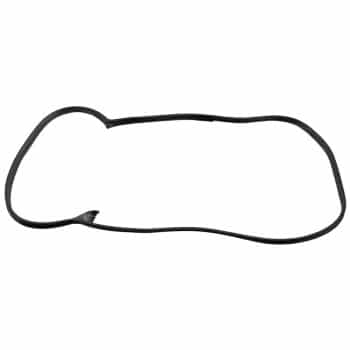
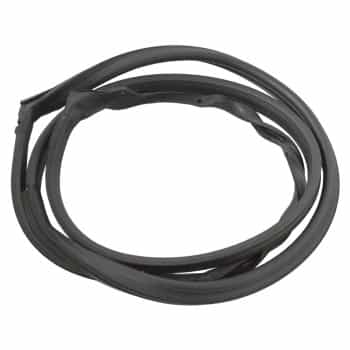
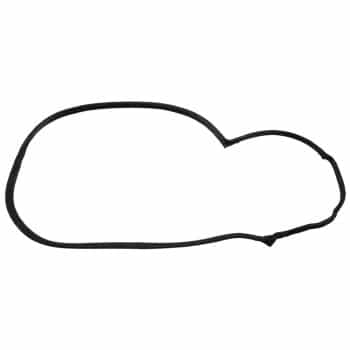
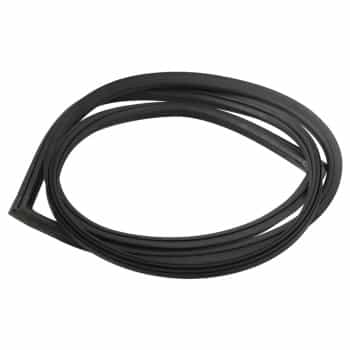


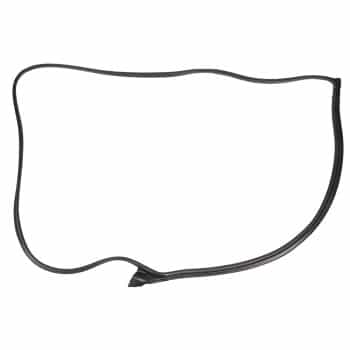


Cars have various rubber seals for sealing and protection, preventing dirt and moisture from entering the vehicle. Rubber seals on the chassis protect it when the door is closed. Some rubbers have a groove to allow water to drain. After some time, rubber seals may dry out and crack, which can let dirt and moisture into the car. During the autumn and winter months, moisture in the car can be particularly troublesome, as it can cause foggy windows.
Replacing rubber seals
Replacing the rubber seals is not a complicated task. You can easily do this yourself. It might be useful to use a flathead screwdriver to remove the rubbers, but no special tools are required.
1. Carefully pull the rubbers away from the door or window. Use a flathead screwdriver to start, and then pull the rest off by hand. If pieces break off, the rubber may have become too soft. In this case, use the screwdriver to remove the rubber bit by bit.
2. Remove the remaining adhesive. You can use WD-40 Classic Multispray to do this. Spray the WD-40 on the adhesive, let it soak for a while, and then rub off the residue with a cloth.
3. Apply adhesive to the new rubber seal and the area where the new seal will be placed. This will help the new rubber adhere more easily.
4. Install the new seal. It is best to start at a corner and work your way around. Press the rubber firmly into place, making sure not to stretch it.
5. Finally, allow the adhesive to dry.
Buying rubber seals
Looking to buy new rubber seals? Winparts is the right place for you. We offer the correct parts based on your vehicle registration. Enter your vehicle details or registration number on the website, and we will show you the correct parts for your car. Looking for other bodywork components? Take a look at mudguards, trim strips, mud flaps, and jack supports.